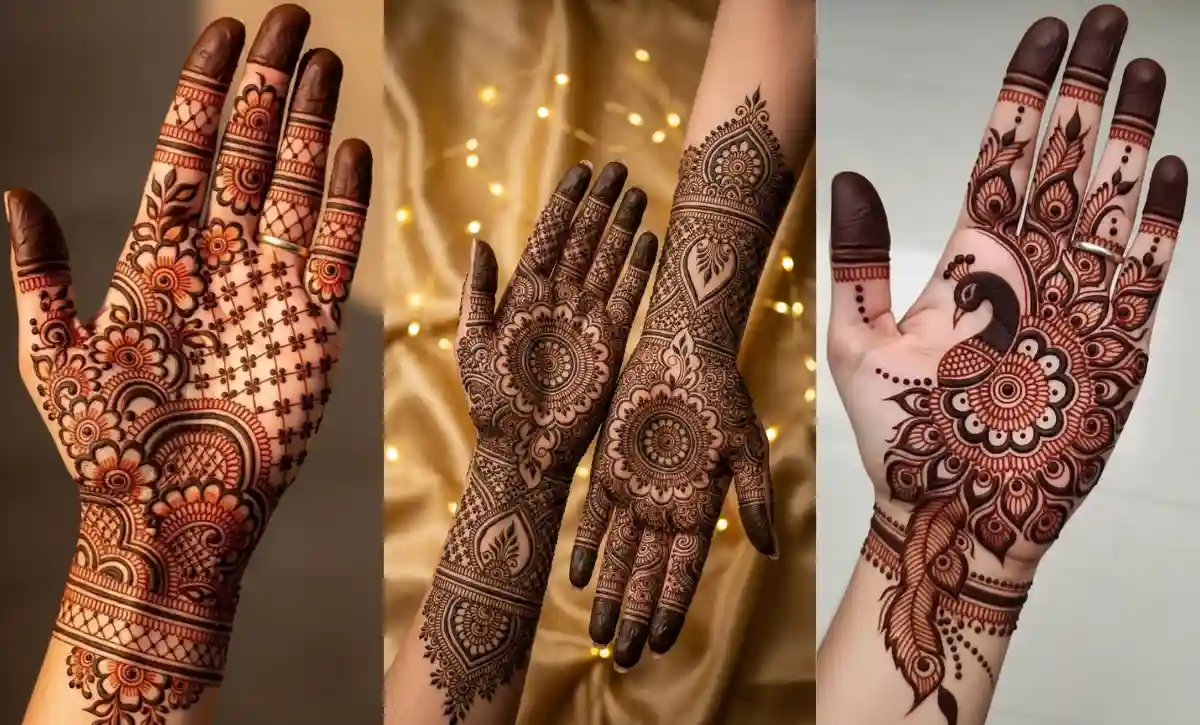
100+ Latest Bridal Mehndi Designs for Full Hands Front and Back 2026
What are bridal mehndi designs for full hands front and back?
Bridal mehndi designs for full hands front and back are extensive, highly detailed temporary henna tattoos applied to a bride’s arms, from the fingertips all the way to the elbows, covering both the palm and the dorsal (back) side of the hands. These designs are a deeply rooted cultural tradition in South Asian weddings, symbolizing joy, beauty, spiritual awakening, and the unbreakable bond of matrimony. The intricate patterns often weave together traditional motifs like peacocks, mandalas, floral vines, and even portraits of the bride and groom, ensuring that the bride’s hands are a stunning focal point on her wedding day.
Your wedding day is a once-in-a-lifetime milestone, a beautiful culmination of love, family, and deeply cherished traditions. Among the myriad of rituals that make up a South Asian wedding, the Mehndi ceremony holds a uniquely vibrant, emotional, and artistic space. The application of bridal henna is not just a cosmetic enhancement; it is an ancient art form that tells a story, calms the nerves, and serves as the ultimate bridal accessory.
If you are a bride-to-be planning your big day in 2026, you are likely already scrolling endlessly through Pinterest and Instagram, searching for the perfect inspiration. The sheer volume of bridal mehndi design photos available online can be overwhelming. Should you go for a heavy, traditional Rajasthani setup, or opt for a bridal mehndi design simple simple and beautiful layout? How do you balance the heavy bridal mehndi design front hand with an equally stunning bridal mehndi design back hand?
We have compiled a breathtaking gallery of over 100 bridal mehndi designs for full hands front and back, showcasing the absolute cutting-edge trends of bridal mehndi design 2026. Whether you are looking for a bridal mehndi design arabic style with bold floral trails, a deeply intricate bridal mehndi design muslim layout featuring mesmerizing geometric jaal, or a full hand bridal mehndi design that tells your unique love story, this guide is your ultimate resource.
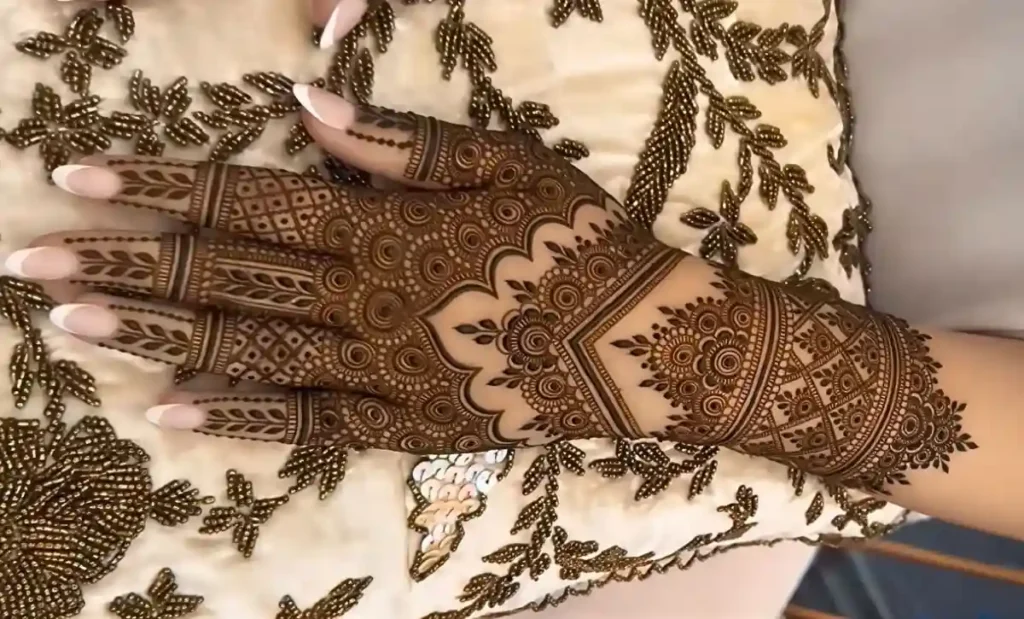
Before we dive into the stunning visuals and modern trends, it is essential to understand why we apply henna. The tradition of applying mehndi spans centuries across India, Pakistan, the Middle East, and North Africa.
A Symbol of Matrimony and Luck
In Hindu and Islamic traditions, the dark stain of the mehndi is considered highly auspicious. It is a common folklore that the darker the bride’s henna stain, the deeper the love and understanding between her and her future husband (and wonderfully, her mother-in-law!). The deep burgundy or almost black color is a symbol of fertility, prosperity, and the strength of the new marriage.
The Ayurvedic Cooling Effect
Weddings are stressful. The anxiety, the heavy outfits, the endless relatives—it can cause the bride’s body temperature to rise. Henna (Lawsonia inermis) has incredible natural cooling properties. Applying a massive bridal mehndi design full hand and a matching bridal mehndi design leg helps cool the nerve endings in the hands and feet, effectively calming the bride’s nervous system and preventing stress-induced headaches.
The Hidden Name Tradition
A fun and romantic element of the full hand bridal mehndi design is the tradition of hiding the groom’s name or initials within the intricate patterns. On the wedding night, the groom is tasked with finding his name hidden in the dense maze of the bride’s henna. It acts as an icebreaker and a playful start to their new life together.
Exploring The Core Styles of Bridal Mehndi Design
The beauty of mehndi lies in its geographical and cultural diversity. What is considered a classic bridal mehndi design in Rajasthan looks completely different from a classic design in Dubai. Understanding these core styles will help you communicate exactly what you want to your mehndi artist.
Traditional Indian Mehndi
The hallmark of traditional Indian mehndi is density. A classic Indian bridal mehndi design full hand leaves almost zero negative space. The artist uses very fine, delicate strokes to fill the skin entirely from the fingertips to the elbows.
- Key Motifs: Peacocks (symbolizing royalty), lotuses (purity), mango leaves/paisleys (fertility), mandalas (the universe), and the classic bride-and-groom (Dulha-Dulhan) portraits.
- Best For: Brides wearing heavy, traditional red or maroon silk lehengas or Kanjeevaram sarees who want a deeply cultural look.
Arabic Mehndi Design
If you want something bold that stands out from a distance, the bridal mehndi design arabic is perfect. Originating from the Middle East, this style is characterized by its bold, thick outlines, prominent floral and leafy vines, and generous use of negative (empty) skin space.
- Key Motifs: Large roses, thick cascading vines, shaded petals, and geometric grids. The designs typically flow diagonally across the hand.
- Best For: Brides who want a modern, elegant, and less cluttered look. It is also an excellent choice for bridesmaids and family members looking for a simple bridal mehndi design photos inspiration.
Pakistani and Muslim Mehndi Styles
The bridal mehndi design muslim or Pakistani style is a breathtaking hybrid of Indian intricacy and Arabic boldness. It often avoids human figures (like bride/groom faces) in accordance with Islamic art traditions, focusing instead on mesmerizing symmetry and architecture.
- Key Motifs: Mosque domes, intricate Jaal (mesh/net) patterns, chandeliers, and very detailed floral mandalas.
- Best For: Brides looking for unparalleled elegance, symmetry, and architectural beauty on their hands.
Minimalist / Modern Mehndi
Not every bride wants henna up to her elbows. The modern bride of 2026 is often leaning towards a bridal mehndi design simple. This involves focusing heavily on beautiful finger details, a central palm mandala, and perhaps an elegant bracelet motif on the wrist.
- Key Motifs: Spaced-out geometric shapes, single elegant lotuses, jewelry-inspired chains, and minimalist dot work.
- Best For: Destination weddings, beach weddings, or brides wearing pastel, contemporary, or Indo-Western outfits where a heavy red stain might clash with the aesthetic.
Breaking Down the Bridal Mehndi Setup (Front, Back, and Legs)
A complete bridal henna application is divided into three main canvases: The front of the hands (palms and inner forearms), the back of the hands, and the legs/feet. Let’s break down how to approach each section.
The Front Hand (The Storyteller)
The bridal mehndi design front hand is where the magic happens. Because the skin on the palm is thicker and warmer, it absorbs the dye best, resulting in the darkest, almost black-cherry stain. This is the canvas where artists usually place the most intricate, meaningful elements.
- Trending in 2026: Custom storytelling. Brides are moving away from generic portraits and asking artists to draw skylines of the city where they met, their pets, or logos of their favorite shared hobbies.
The Back Hand (The Showstopper)
While the palm is for you and your groom, the bridal mehndi design back hand is for the camera! Whenever you hold your lehenga skirt, show off your engagement ring, or wave to guests, the back of your hand is visible.
- Trending in 2026: Jewelry-inspired designs. Known as Hathphool (hand-flower) designs, these patterns mimic the look of rings attached to intricate chains leading to a central mandala on the back of the hand. It serves as a beautiful bridal mehndi design simple back hand that looks incredibly elegant and sophisticated.
The Legs and Feet
Do not neglect the feet! The bridal mehndi design leg usually reaches just above the ankles or mid-calf.
- Trending in 2026: Symmetrical mirror designs. When the bride puts her feet together, the two halves of the design form a perfect, complete picture (like a full lotus or a heart). Bold Arabic vines wrapping around the ankles like anklets (Payal) are also highly requested.
How to Ensure Your Bridal Mehndi is Dark and Long-Lasting
Finding the perfect bridal mehndi designs for full hands front and back is only half the battle. If the stain doesn’t develop properly, even the most beautiful design will look faded in your wedding photos. Here is the ultimate, expert-approved aftercare routine to guarantee a dark, rich stain.
1. Wash Your Hands Thoroughly Before Application
Henna needs to bind to the keratin in your skin. If your hands are coated in lotions, oils, or sweat, the paste will not stick properly. Wash your hands and feet with basic soap and completely dry them. Do not apply any moisturizer before sitting down for your mehndi!
2. Keep the Paste on for as Long as Possible
Patience is key. For a heavy full hand bridal mehndi design, you must leave the paste on your skin for a minimum of 8 to 12 hours. Many brides sleep with their mehndi on. To prevent the dried paste from flaking off, ask your artist to apply surgical tape or wrap your hands in medical-grade paper tape once the henna is fully dry.
3. The Magical Lemon-Sugar Sealant
As the henna dries, it begins to crack and fall off. To prevent this, mix equal parts lemon juice and white sugar. Using a cotton ball, gently dab this sticky mixture over the semi-dried mehndi. The sugar acts as a glue holding the paste to the skin, while the acid in the lemon juice extracts more dye from the henna powder.
4. Clove Smoke (Laung Ka Sek)
This is an ancient Indian secret for a dark stain. Heat a few cloves (laung) on an iron skillet (tawa). As the cloves begin to smoke, hold your hands carefully above the pan, letting the warm, aromatic smoke hit the henna. The heat opens your pores, allowing the dye to penetrate deeper.
5. Never Use Water to Remove It!
This is the biggest mistake brides make. When it is time to remove the paste, gently scrape it off using a butter knife or rub your hands together. Do not wash your hands with water for at least 12-24 hours after removal. Water halts the oxidation process.
6. Apply Heat-Inducing Balms
Once the paste is scraped off, your stain will look bright orange. Don’t panic! It takes 48 hours to oxidize and turn dark brown/burgundy. Immediately apply a layer of Vicks VapoRub, Tiger Balm, Eucalyptus oil, or Mustard oil. These products generate heat in the skin, which significantly accelerates the darkening process.
Preparing for the Mehndi Day: A Bride’s Survival Guide
Getting a bridal mehndi design full hand application is an endurance test. You will be sitting in the same position for 5 to 8 hours, unable to use your hands. Here is how to survive and enjoy your Mehndi ceremony.
- Eat and Hydrate Beforehand: Once the application starts on your palms, you cannot feed yourself. Have a heavy, protein-rich meal before you sit down. Keep a bridesmaid nearby with a straw so you can drink water.
- Wear Comfortable Clothing: Wear something loose, breathable, and short-sleeved. You do not want heavy dupattas or tight sleeves rubbing against your wet henna.
- Use the Restroom: This sounds obvious, but do not forget! Visit the washroom right before the artist begins.
- Sort Out Your Entertainment: You won’t be able to hold your phone. Ensure your phone is propped up on a stand, queue up your favorite movies, or have your friends sit in a circle around you to keep you entertained and distracted from the cramps.
Embracing the 2026 Bridal Mehndi Trends
As we move through 2026, the bridal mehndi design landscape is shifting towards personalization and unique aesthetics. While traditional heavy designs will always be a staple, here are the top trends dominating the wedding season right now:
The White Henna Trend
For brides wearing modern gowns, pastel lehengas, or attending a Christian wedding ceremony, traditional red/brown henna might clash. Enter White Henna. Made from body-safe cosmetic adhesive and white body paint, this is not a permanent stain but a temporary 3D body art that lasts for 2-3 days. It looks incredibly striking, resembling white lace applied directly to the skin. It is perfect for a bridal mehndi design simple front hand look.
The Reverse Negative Space Mehndi
Instead of drawing the flowers with henna lines, artists are now filling the background with solid henna and leaving the actual floral motifs empty (showing the bare skin). This “reverse” or negative space technique creates a stunning, highly contrasting look that pops beautifully in photographs.
Minimalist Finger Elegance
Many modern brides, particularly those having destination weddings, are opting for extremely minimal designs. This involves keeping the palm entirely blank and only applying highly intricate, jewelry-like patterns on the fingers and the wrist. This bridal mehndi design simple simple and beautiful aesthetic highlights the engagement ring and keeps the overall look very chic and unbothered.
Incorporating Pet Portraits
Why should only the groom get his portrait on the bride’s hand? In 2026, one of the most heartwarming trends is brides asking their artists to incorporate tiny portraits or paw prints of their beloved dogs and cats into their full hand bridal mehndi design.
10 Frequently Asked Questions About Bridal Mehndi
1. How long before the wedding should I apply bridal mehndi?
It is highly recommended to apply your full hand bridal mehndi design exactly 2 to 3 days before your wedding day. Natural henna takes around 48 hours to fully oxidize and reach its darkest, most beautiful burgundy stain.
2. How much time does a full hand front and back bridal mehndi take?
Depending on the intricacy of the pattern, a heavy bridal mehndi designs for full hands front and back usually takes between 4 to 8 hours to apply. If you choose a bridal mehndi design simple layout, it might take 2 to 4 hours.
3. How can I make my bridal mehndi stain darker?
Leave the paste on for at least 8-10 hours. Once it dries, apply a mixture of lemon juice and sugar to keep it moist. After scraping off the dried henna (never wash it with water!), apply Vicks VapoRub, eucalyptus oil, or mustard oil to warm the skin and darken the stain.
4. What is the difference between Arabic and Indian bridal mehndi?
Bridal mehndi design arabic features bold outlines, floral vines, and lots of negative (empty) space, focusing heavily on diagonal trails. Traditional Indian mehndi is extremely dense, covering the entire hand with detailed motifs like peacocks, mandalas, and bride-groom portraits.
5. Can I get a bridal mehndi design simple simple and beautiful?
Absolutely! Many modern brides prefer a minimalist approach. A bridal mehndi design simple front hand paired with an elegant jewelry-style bridal mehndi design simple back hand is currently one of the biggest trends for 2026.
6. Should I book a trial before confirming my mehndi artist?
Yes, booking a trial is highly advisable. It allows you to test the artist’s speed, the neatness of their lines, and most importantly, check if the organic henna they use gives a dark stain and does not cause allergic reactions on your skin.
7. What is typical in a bridal mehndi design Muslim style?
A bridal mehndi design muslim or Pakistani style often incorporates highly intricate floral patterns, domes, intricate jaal (mesh) work, and leafy vines. They generally avoid human figures or bride-groom portraits in accordance with religious preferences.
8. How much does full hand bridal mehndi cost?
The price varies widely based on location and the artist’s expertise. In India, a high-quality bridal mehndi design full hand can range anywhere from ₹5,000 to ₹30,000 or more for celebrity artists.
9. Should my leg mehndi match my hand mehndi?
It looks best when there is thematic consistency. While the exact pattern doesn’t need to be identical, your bridal mehndi design leg should feature similar motifs (like lotuses or identical jaal work) to tie the whole bridal look together.
10. Can I wear contact lenses or makeup during the application?
It is best to wear glasses and avoid heavy makeup. Since applying bridal mehndi design photos-ready henna takes hours, you won’t be able to touch your face or adjust lenses once the paste is applied to your hands.
Conclusion: Your Hands, Your Story
Selecting your bridal mehndi designs for full hands front and back is a deeply personal choice. You might fall in love with a heavy, traditional, figure-filled Indian design, or you might find yourself drawn to the chic, spaced-out elegance of a bridal mehndi design arabic trail.
Whatever you choose, remember that the mehndi ceremony is about joy. It is about sitting surrounded by the women you love, singing traditional folk songs, and preparing yourself spiritually and mentally for the beautiful journey of marriage.
We hope our gallery of 100+ bridal mehndi design photos has filled you with inspiration. Take your time, save your favorite images, consult with a professional, organic henna artist, and prepare to have the most stunning hands on your wedding day!